2 hr
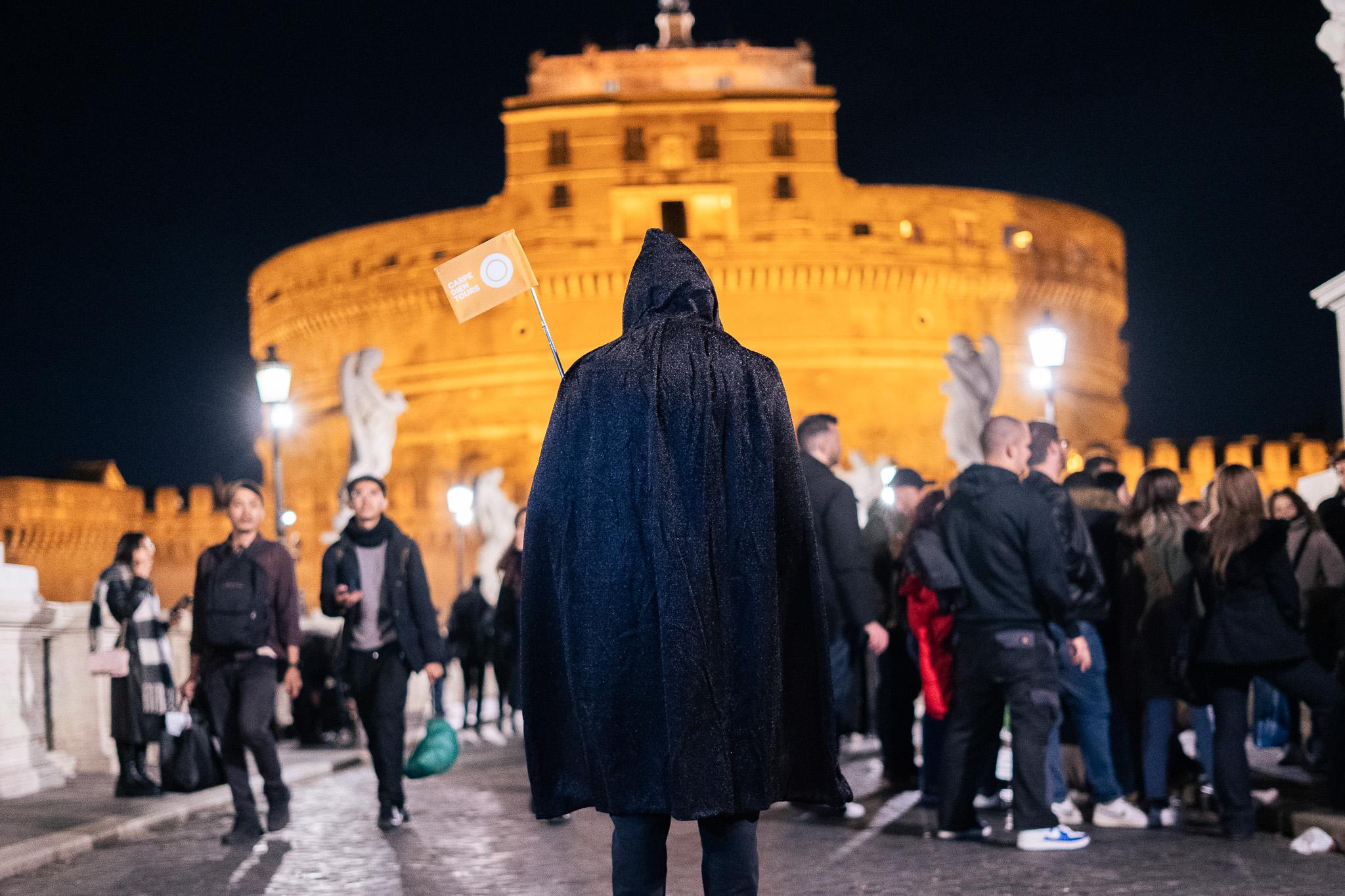
Rome After Dark: Ghost Hunting & Haunted Legends Tour
Explore Rome's eerie side on a 2-hour ghost walk with interactive kit, chilling tales, and survival certificate.
Reserve
Marble glows under floodlight, fountains echo in empty squares
Hand-picked by our editors — only the best 12 evening experiences from 47 reviewed.
Verified partners for Rome Night tours, free cancellation where available, and instant confirmation on every booking.
2 hr
Explore Rome's eerie side on a 2-hour ghost walk with interactive kit, chilling tales, and survival certificate.
Reserve
45 min
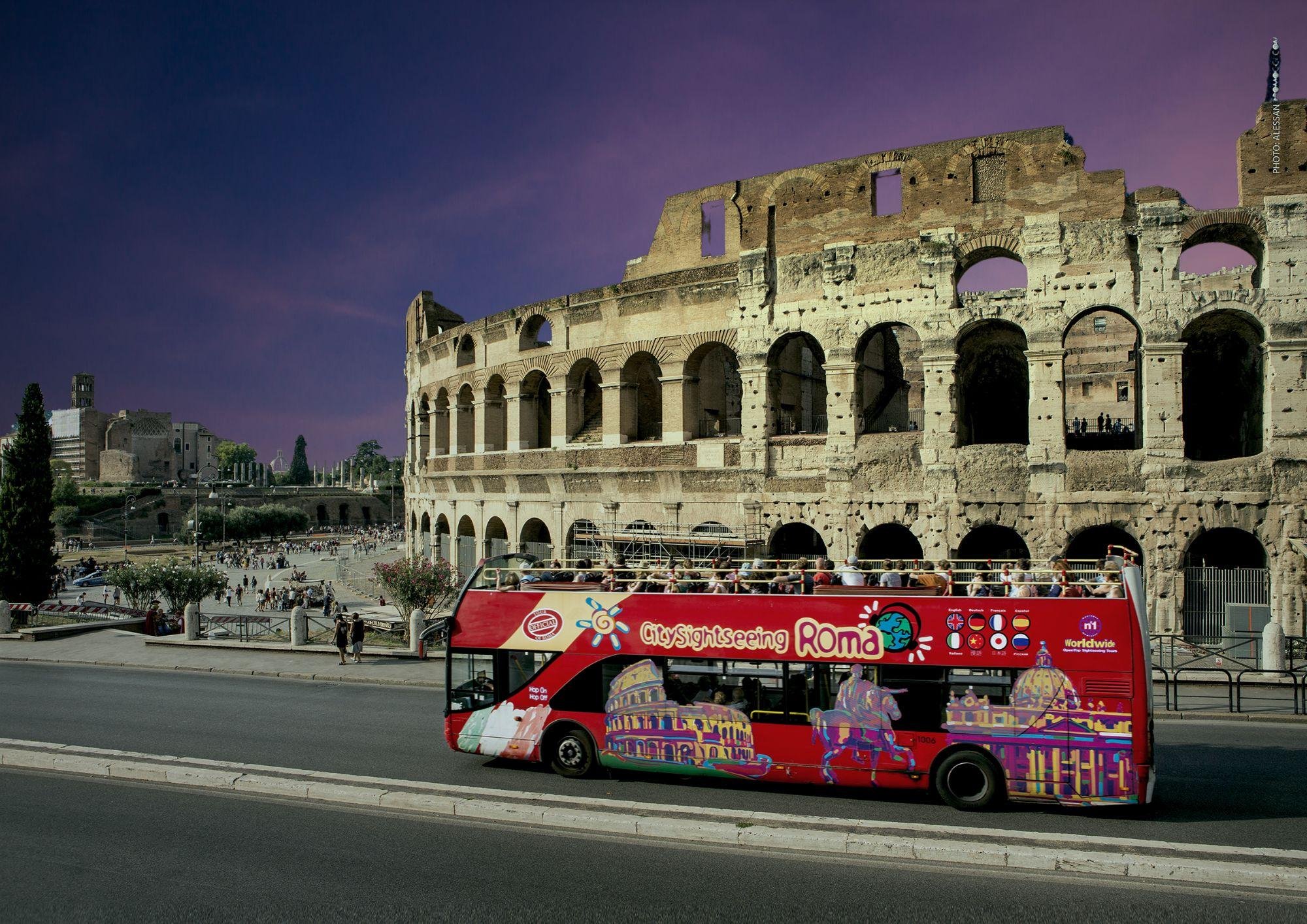
See Rome's monuments glow after dark aboard an open-top double-decker bus with 8-language audio guide.
Reserve
2 hr 30 min
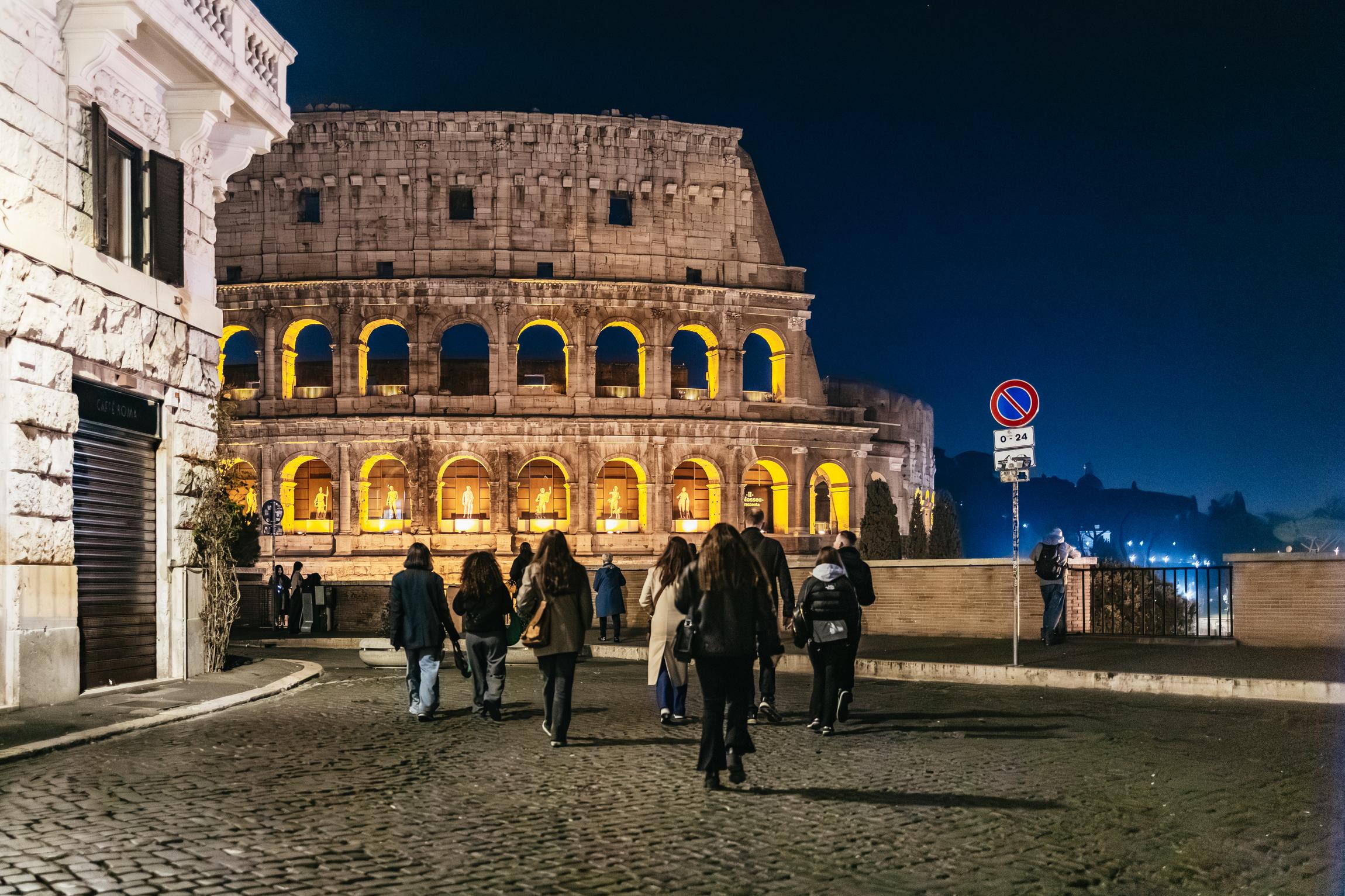
Explore Rome's icons after dark — Trevi Fountain, Piazza Navona and the Colosseum under moonlight.
ReservePrices from verified partners. Availability updates in real time at checkout. Free cancellation policies apply where shown.
The landmarks, rooms, and views travelers on Rome Night tours remember — all visible on a single visit.
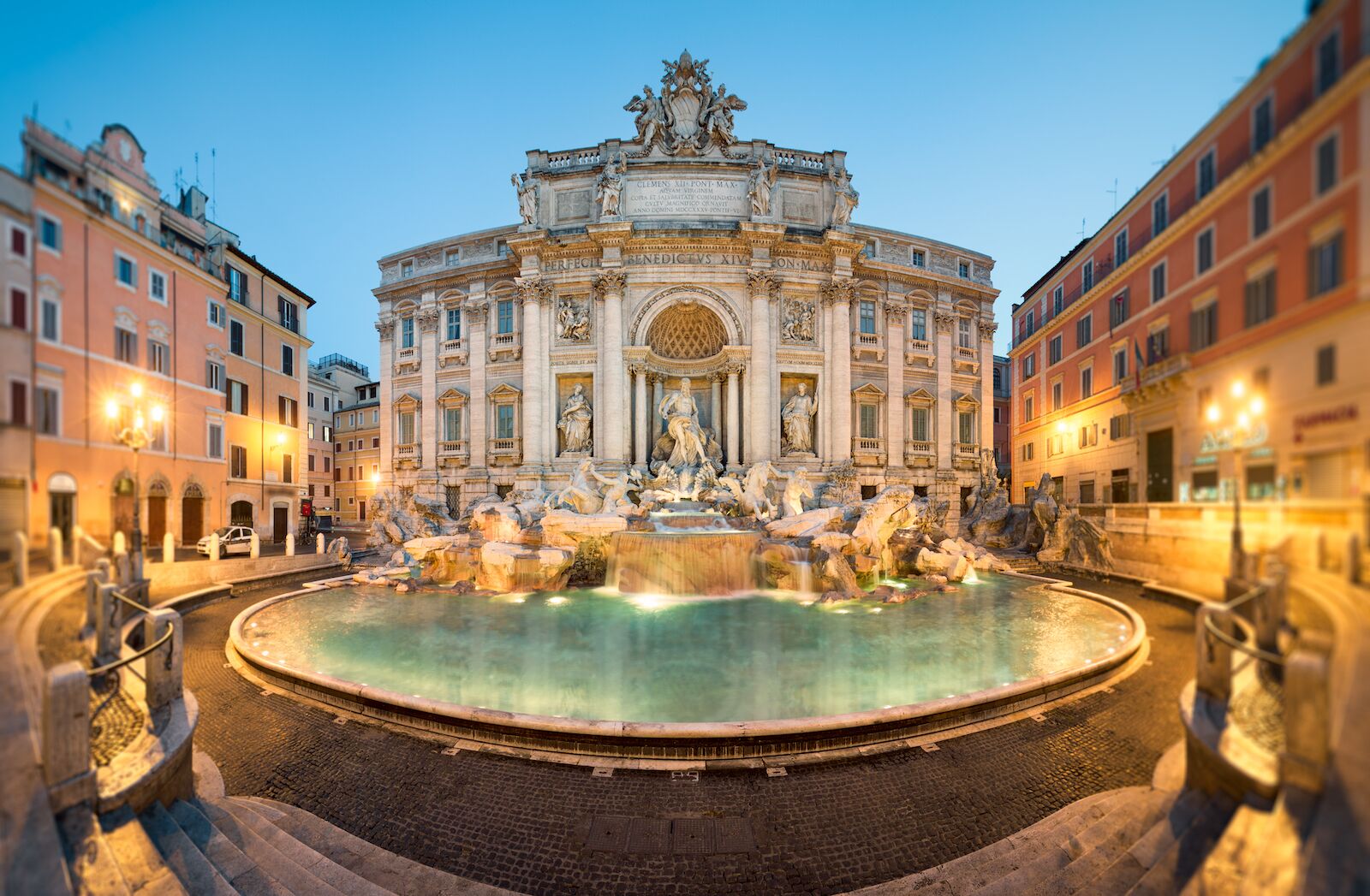
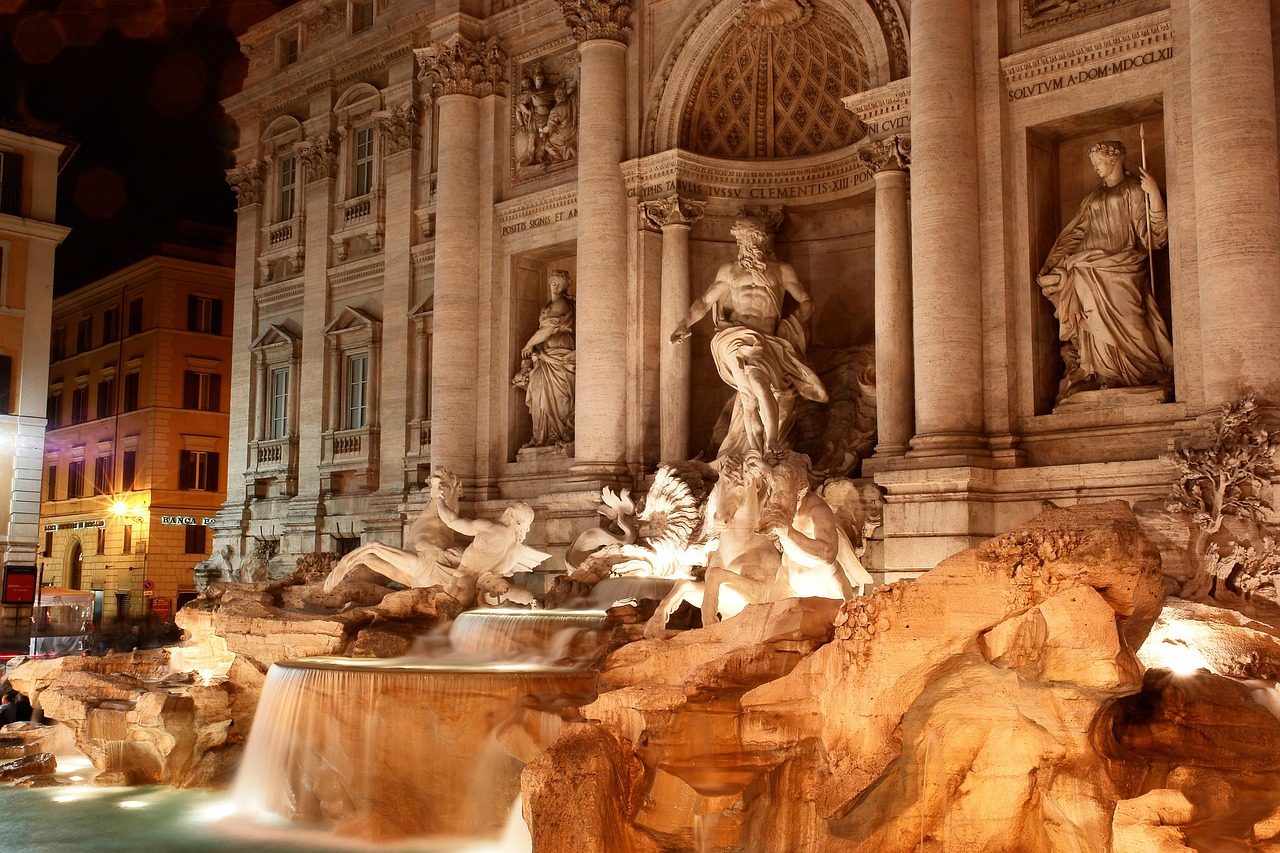
This masterpiece features the god Oceanus and is best viewed during a rome night tour for its lighting. It was completed in 1762.
Every Rome Night tour side-by-side — duration, what's included, how you redeem.
| Experience | Duration | Rating | Transfers | Guide | Small group | Free cancel. | Price | |
|---|---|---|---|---|---|---|---|---|
|
Standard Entry Most popular
Rome After Dark: Ghost Hunting & Haunted Legends Tour
|
2 hr | ★ 4.9 | — | ✓ | ✓ | ✓ | €22 | Book → |
|
Standard Entry
Rome by Night: Open-Top Bus Tour
|
45 min | ★ 4.2 | ✓ | — | — | ✓ | €19 | Book → |
|
Guided Experience
Rome by Moonlight: Small-Group Night Walking Tour
|
2 hr 30 min | ★ 4.9 | — | ✓ | ✓ | ✓ | €25 | Book → |
All prices from verified partners. Availability and exact terms confirmed at checkout.
Walking tours provide superior intimacy with historic landmarks, while motorized options are more efficient for covering vast distances. Most visitors find that the rome night tour offers a deeper connection to the city center compared to vehicle-based excursions.
| Feature | Top pick Walking Tour | Motorized Tour |
|---|---|---|
Physical Exertion |
High - walking required | Low - seated transport |
Pacing |
Controlled by group speed | Fixed by vehicle route |
Accessibility to Narrow Streets |
Full access to alleys | Limited to wider roads |
Viewpoint Opportunities |
Frequent stops for photos | Panoramic views from seat |
Interaction with Guide |
Direct and informal | Audio system or limited |
Group Size |
Usually 10–20 people | Variable per vehicle size |
| See tickets → |
Verdict: Choose a walking rome night tour tours experience if you prioritize immersion, or opt for a motorized rome night tour tour if you prefer comfort and speed when obtaining your rome night tour tickets.
Choose your ticket, select your date, and reserve in under two minutes. Secure checkout handled by our verified partner.
Instant confirmation by email, with a mobile voucher you can save offline. No printing, no queuing at a collection desk.
Arrive at the entrance, show your voucher on your phone, and walk in. Most tickets include priority or skip-the-line access.
Practical details for Rome Night tickets straight from our verified partners — hours, access, rules, and how to get there.
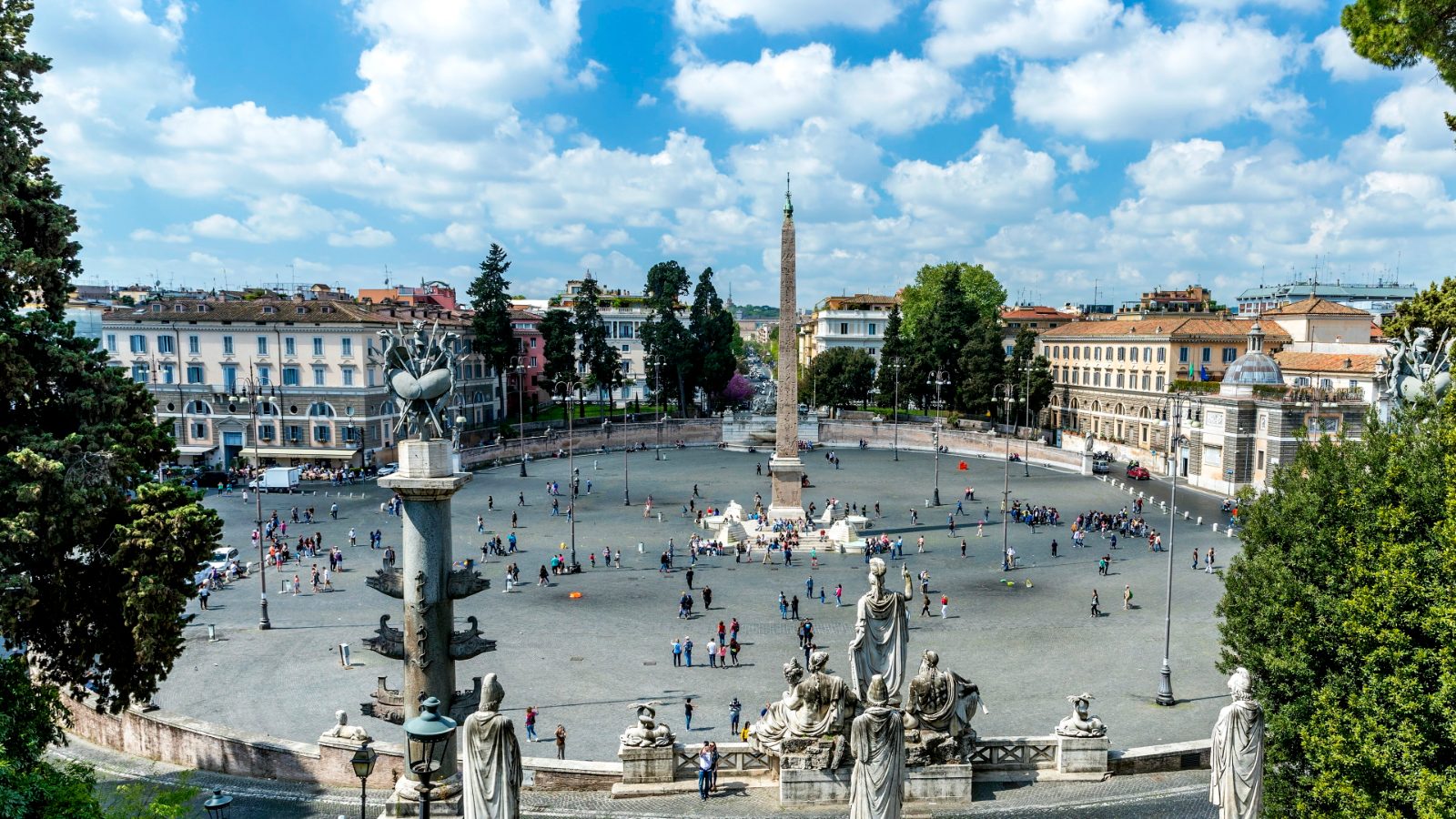
Piazza del Popolo, Rome
Central obelisk area
Open in Google MapsMetro Line A and B operate until 23:30. Night buses provide connectivity throughout the city center.
Official white taxis are available at marked stands. Avoid unlicensed vehicles for your rome night tour transfer.
Casual and comfortable clothing is recommended for a rome night tour. Wear sturdy walking shoes to navigate historical cobblestone streets safely.
Keep personal belongings secure in a crossbody bag or front-facing backpack. Large luggage is not permitted on most guided group walking routes.
Photography is permitted in all public squares and external landmark areas. Use a tripod only if it does not obstruct pedestrian traffic during your rome night tour.
Many central areas feature historic paving which can be challenging for mobility aids. A rome night tour route can be adjusted to favor smoother, paved main roads.
Mobile phones are essential for navigation and capturing photos of illuminated architecture. Ensure your device is fully charged before departing on your rome night tour.
The city is safe for families, though keep children close in crowded areas near major sites. Many rome night tour options offer shorter routes suitable for younger travelers.
Street food vendors and kiosks remain open late near central piazzas. Carrying a reusable water bottle is standard practice while exploring the city landmarks.
Leashed pets are generally permitted in outdoor public spaces. Confirm specific operator rules if joining a structured rome night tour group.
Always remain aware of your surroundings in high-traffic tourist zones. A rome night tour provides a cooler alternative to exploring during the daytime heat.
Best time to go, insider tips, nearby landmarks, and the cancellation fine print — flip through to skim what matters to you.
How crowds, weather, and events shift across the year.
October temperatures are mild, ranging from 12°C to 22°C. This is an ideal season for a rome night tour before winter chill arrives.
April and May offer pleasant evening breezes for walking tours. Crowds are moderate compared to the peak summer months.
Evenings provide relief from daytime heat. Expect higher pedestrian density in July and August.
Crisp air makes for clear views of landmarks. Ensure you dress in layers for your rome night tour.
Small details that turn a good visit into a great one.
Plan your rome night tour arrival between 19:30–22:30 for optimal lighting and lower foot traffic.
Most historic streets are paved with sampietrini stones which are uneven and taxing on feet.
Metro stations are convenient for reaching the starting points of most rome night tour operators.
Carry water even at night to stay refreshed during your walk.
Secure your rome night tour tickets early to guarantee preferred time slots.
Non-bookable sights within a short walk — free to visit, easy to pair.
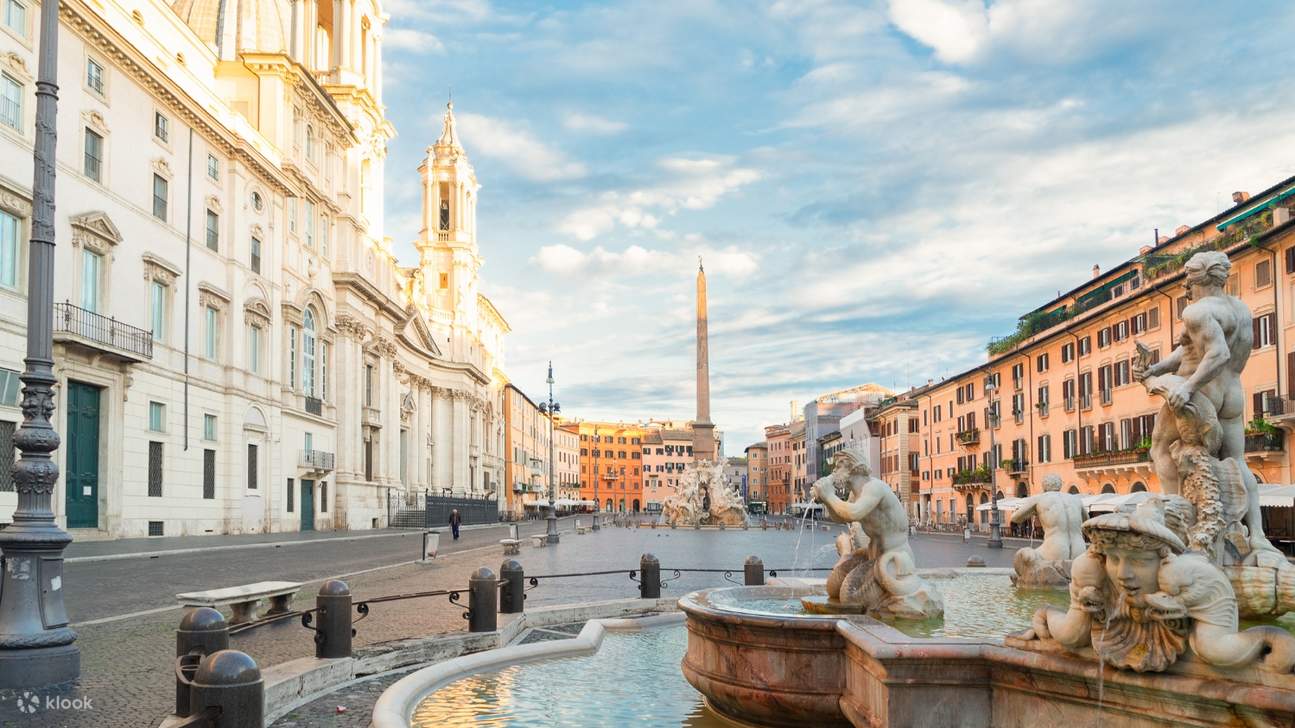
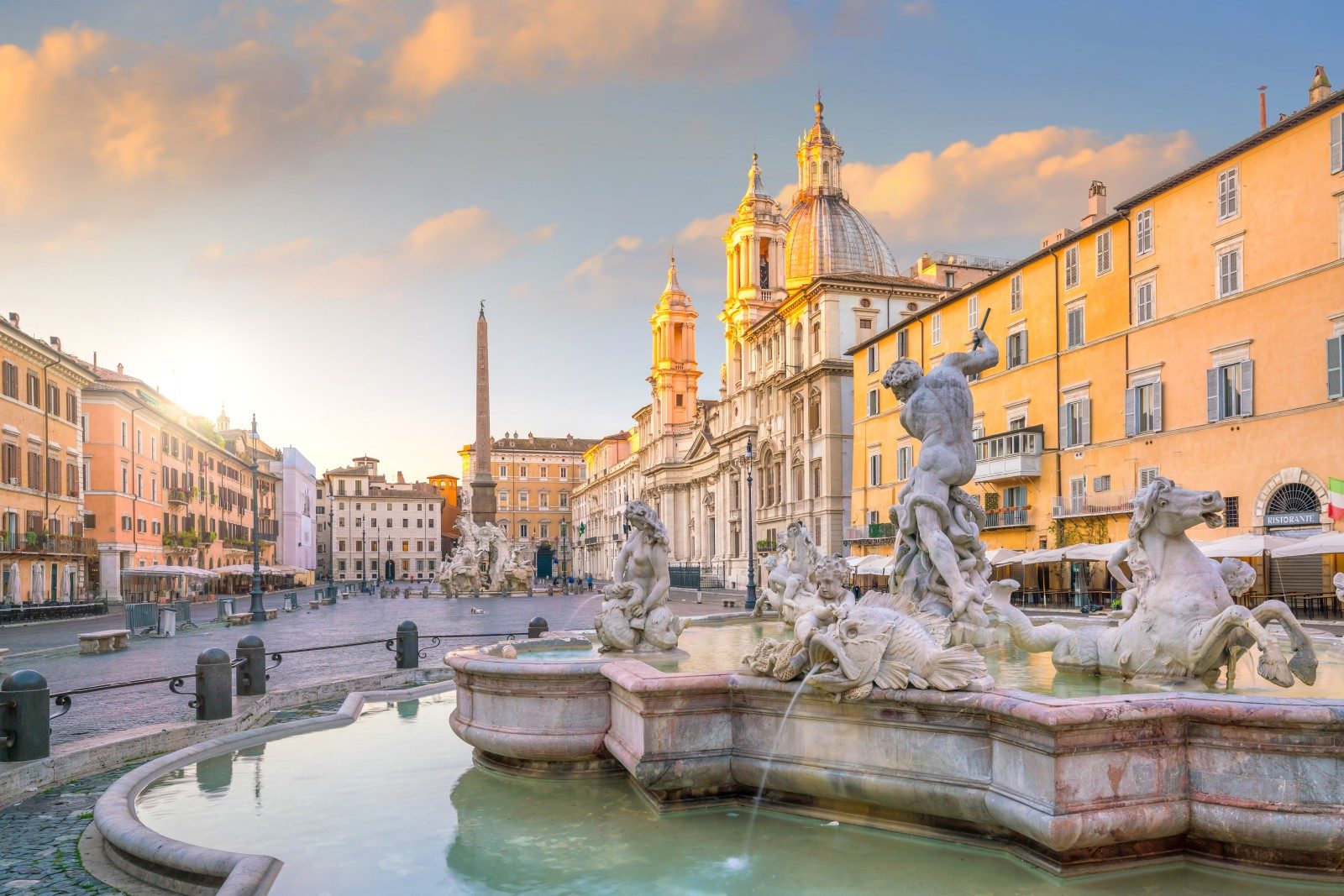
A vast Baroque square featuring Bernini fountains. It sits over the ruins of the Stadium of Domitian.
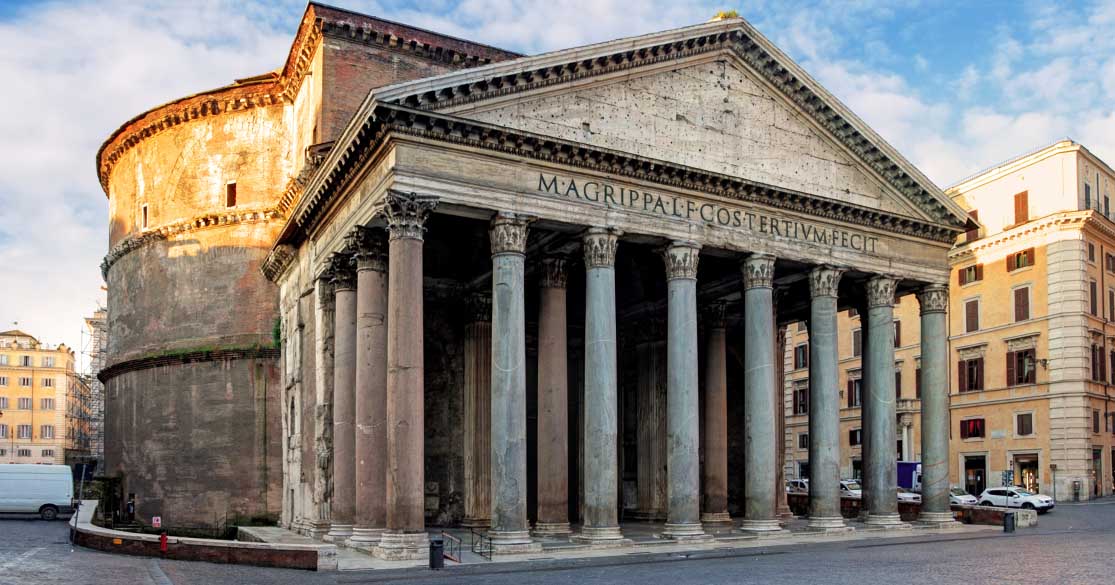
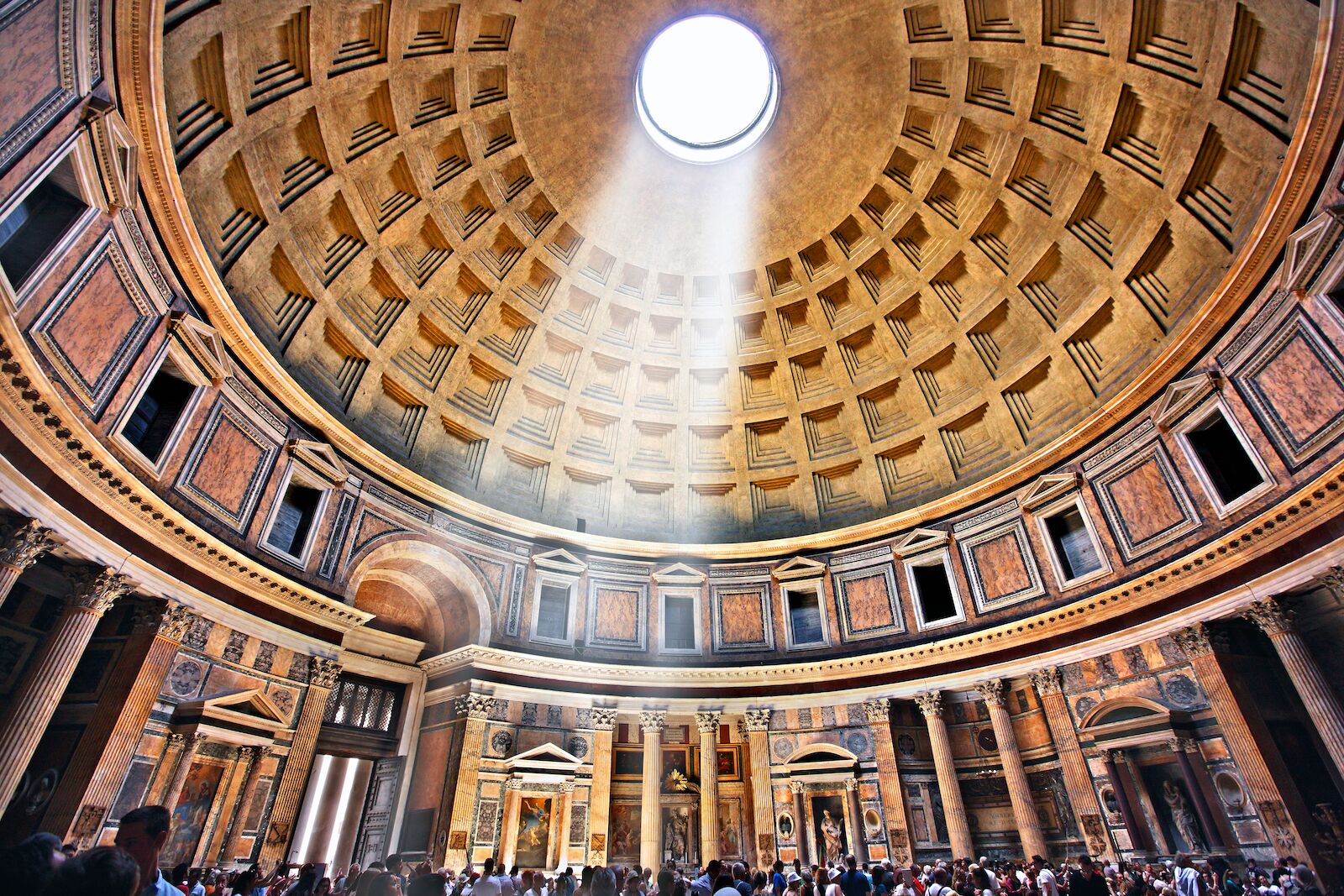
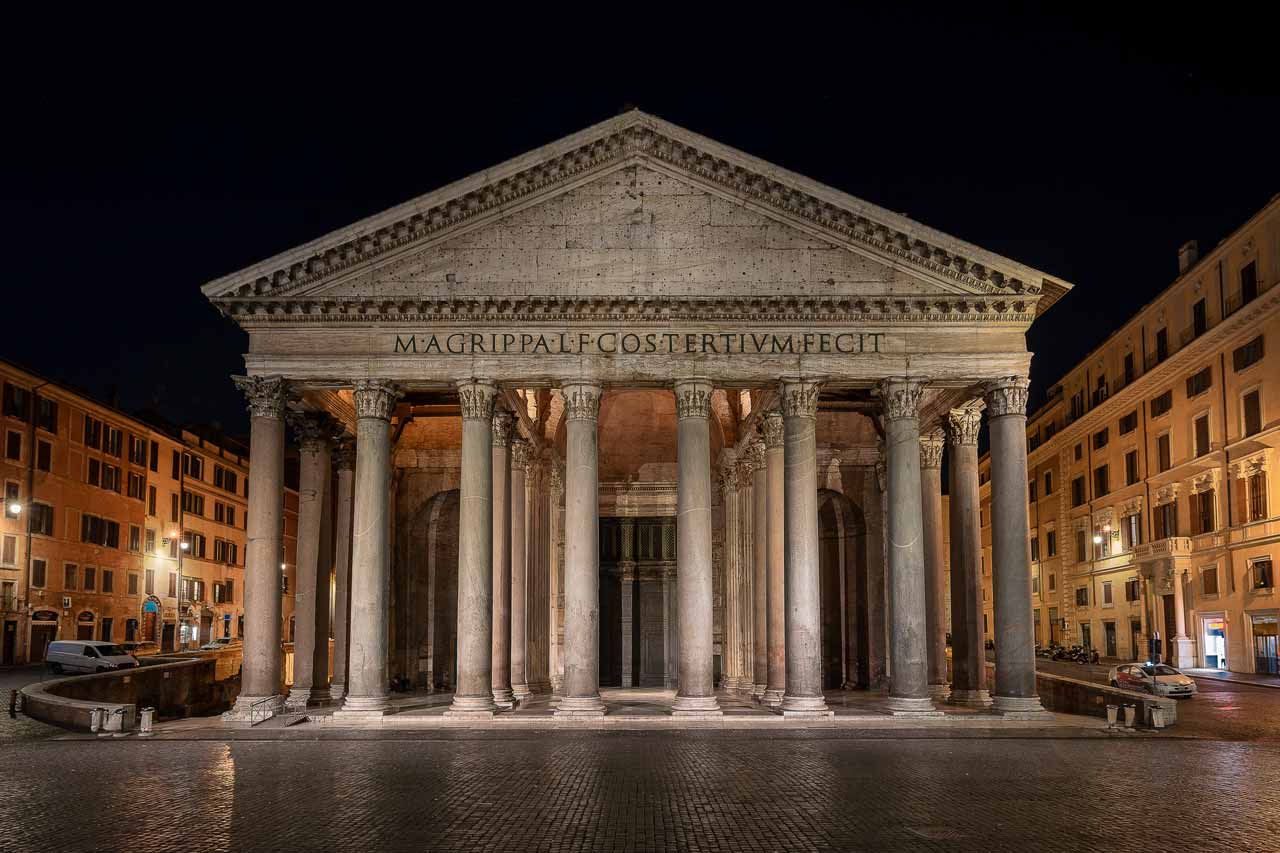
A former Roman temple featuring a massive concrete dome. It remains one of the best-preserved ancient buildings.
The largest Baroque fountain in the city. Tradition suggests tossing a coin ensures a return trip.
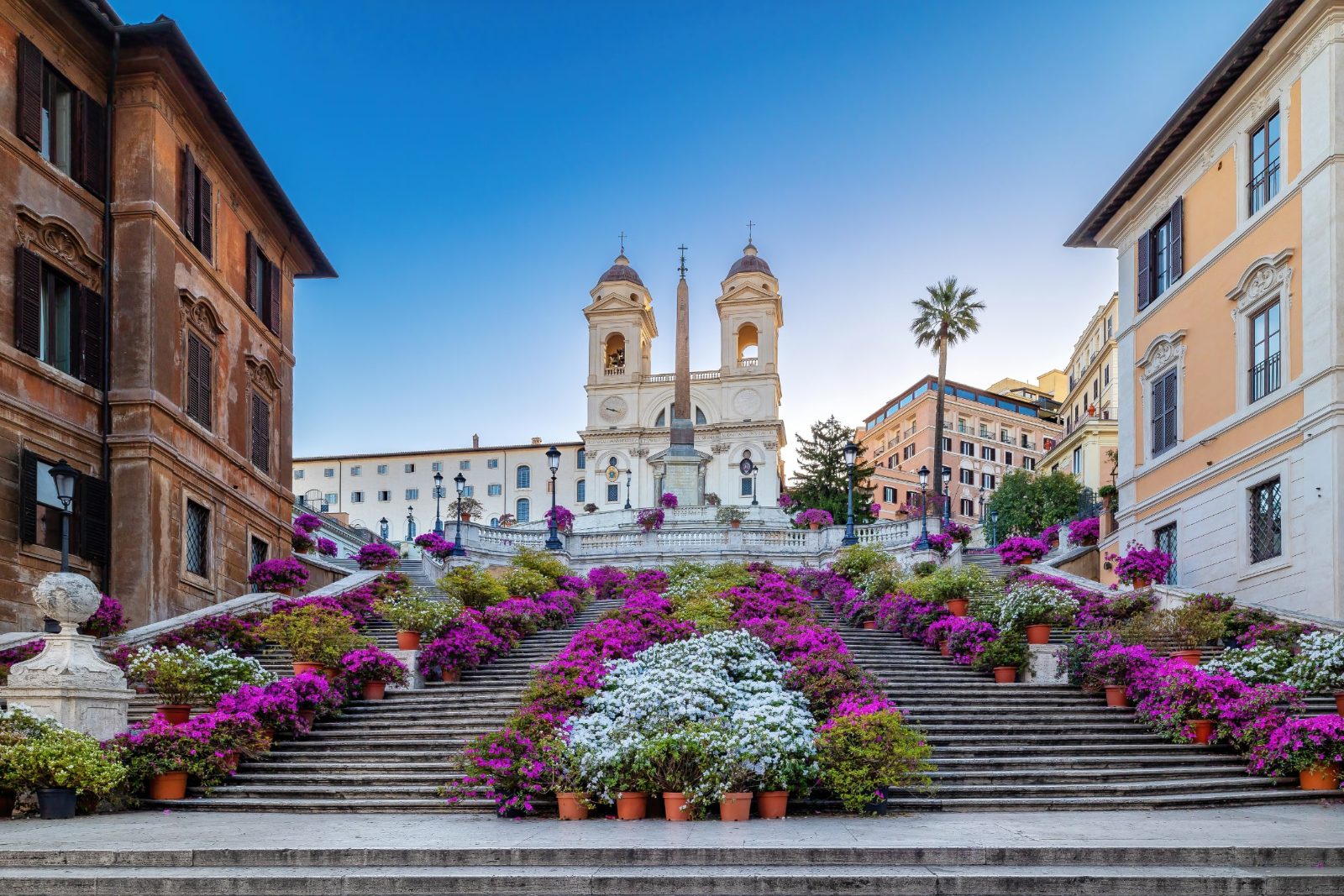
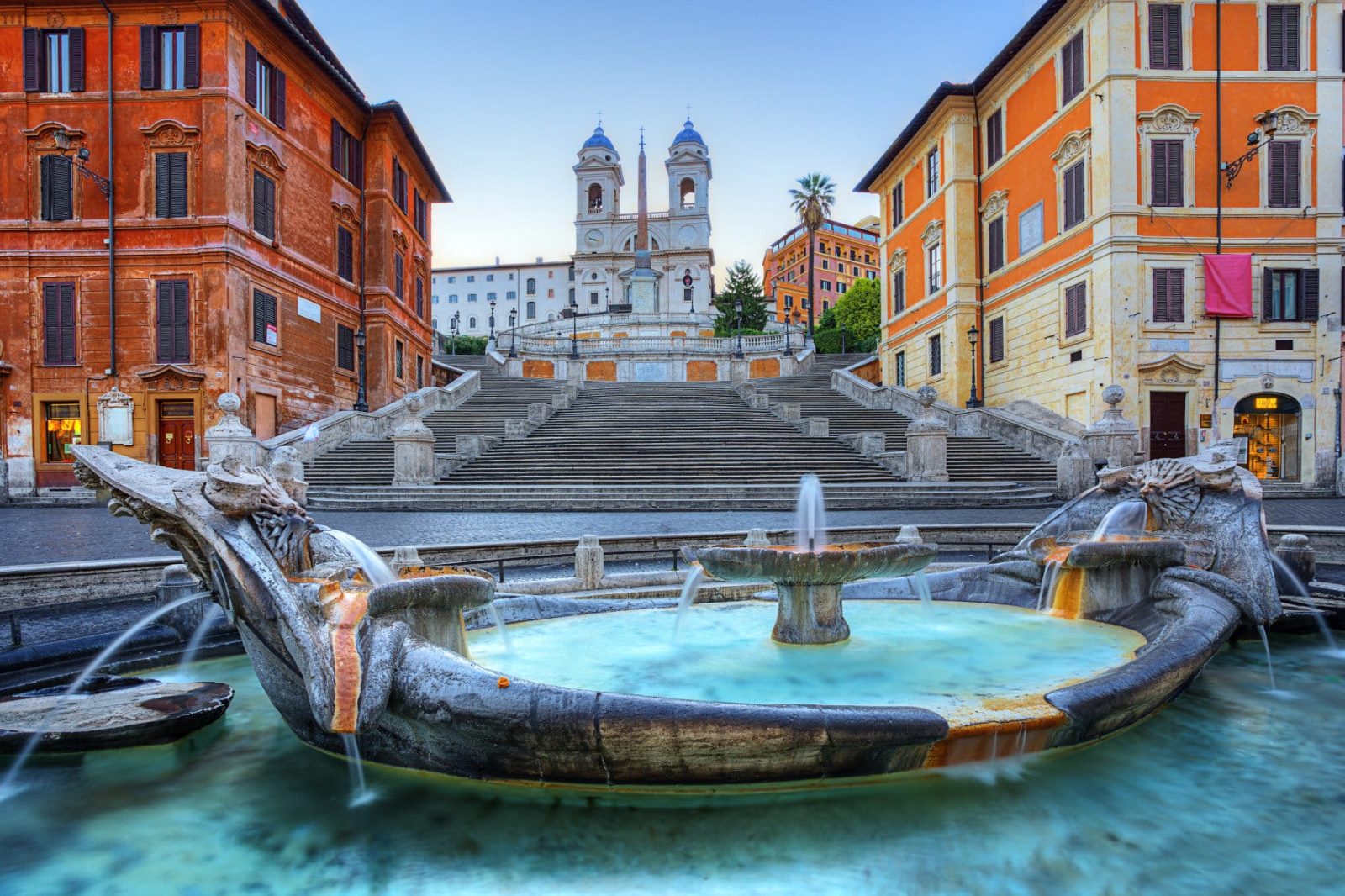
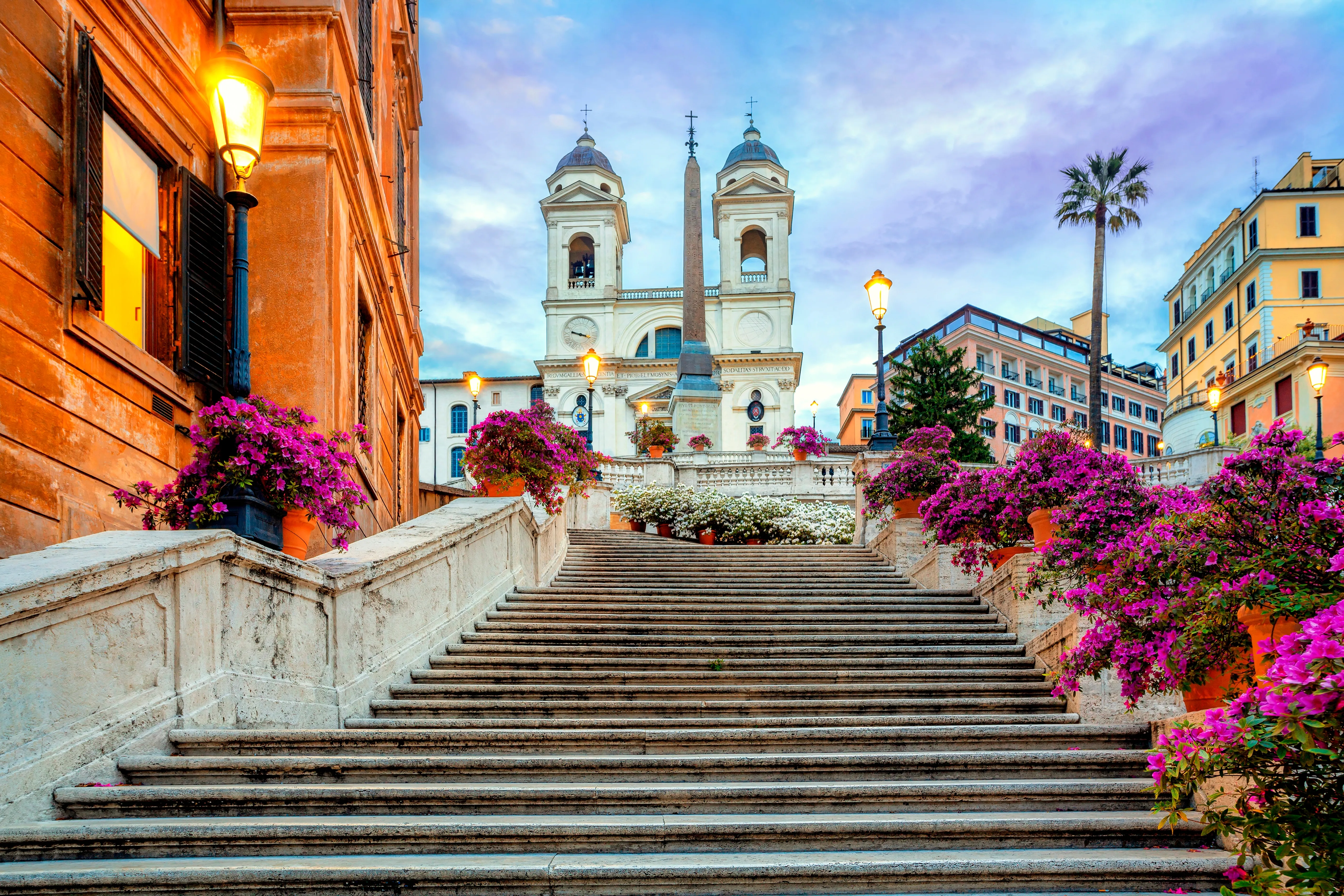
A grand stairway consisting of 135 steps connecting the piazza to the church above.
Flexible, no hidden fees.
Operators typically allow free cancellation up to 24 hours before the experience starts. Entrance fee is 0 EUR for public street access.
Hand-picked options within walking distance — pick a district for vibe, or a specific hotel for convenience.
Located near Piazza Navona with a rooftop terrace.
Mid-range hotel set in a historic building.
Overlooking the Pantheon with excellent location.
Rome's public monuments remain accessible around the clock, yet fewer than eight percent of visitors encounter the city after 21:00.
The Trevi Fountain, commissioned by Pope Clement XII in 1732 and completed over three decades by Nicola Salvi, transforms under its halogen array—each travertine figure cast in sharp relief against the Palazzo Poli's ochre facade. The basin, fed by the Acqua Vergine aqueduct since 19 BCE, reflects artificial light in patterns the original architects never anticipated.
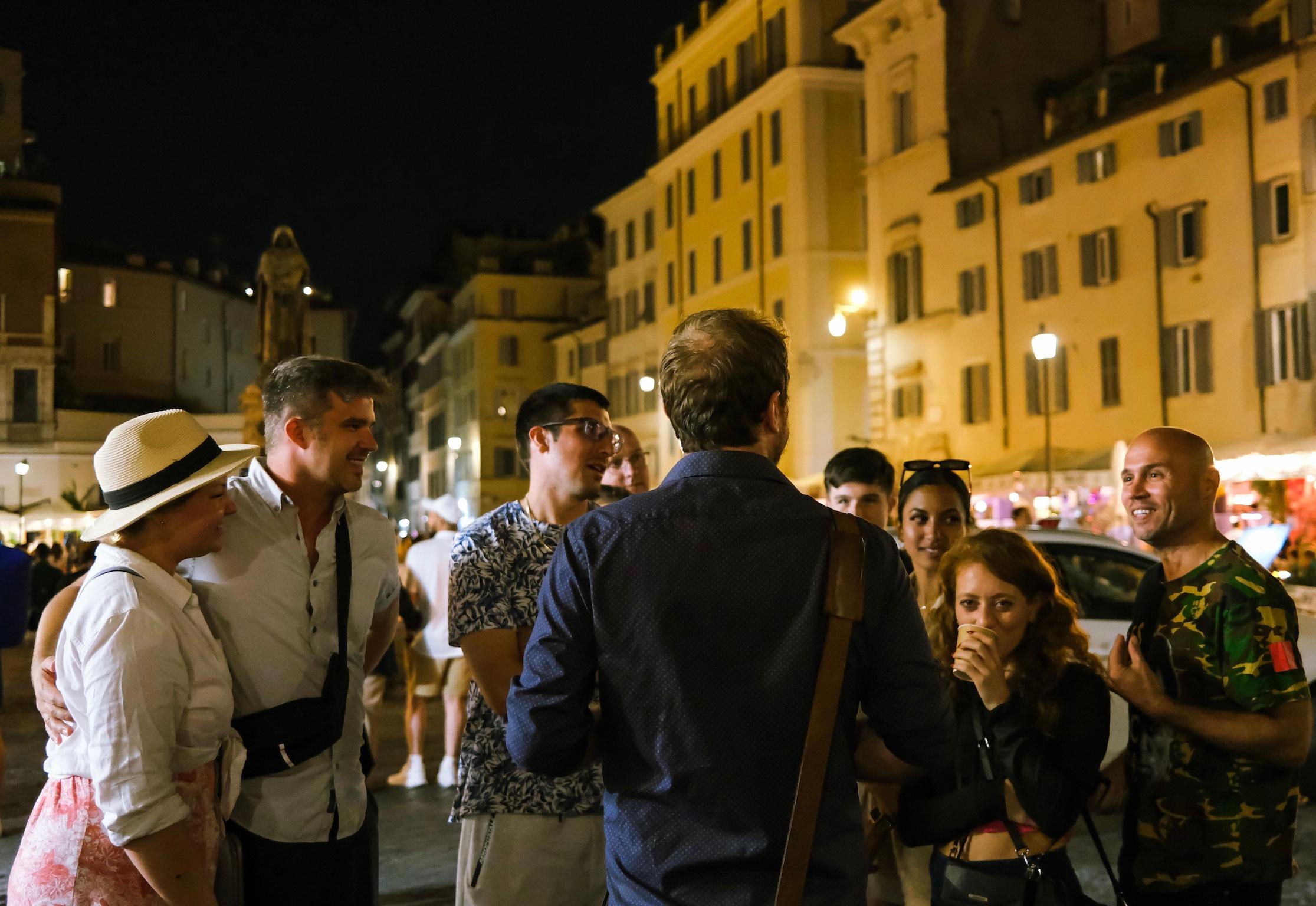
Modern rome night tours capitalize on this temporal shift. Daytime crowds at the Pantheon's portico—sixteen Corinthian columns quarried in Egypt under Trajan—thin to dozens by 22:00, when the building's unreinforced concrete dome, poured in concentric rings between 118 and 125 CE, becomes legible in its engineering ambition. The oculus, nine metres across, channels moonlight onto the same marble pavement visited by Hadrian. Guided evening walks thread through the Campo de' Fiori, where Giordano Bruno's 1889 statue marks the site of his 1600 execution, then east to Piazza Navona, built atop Domitian's stadium foundations that survive three metres below current street level.
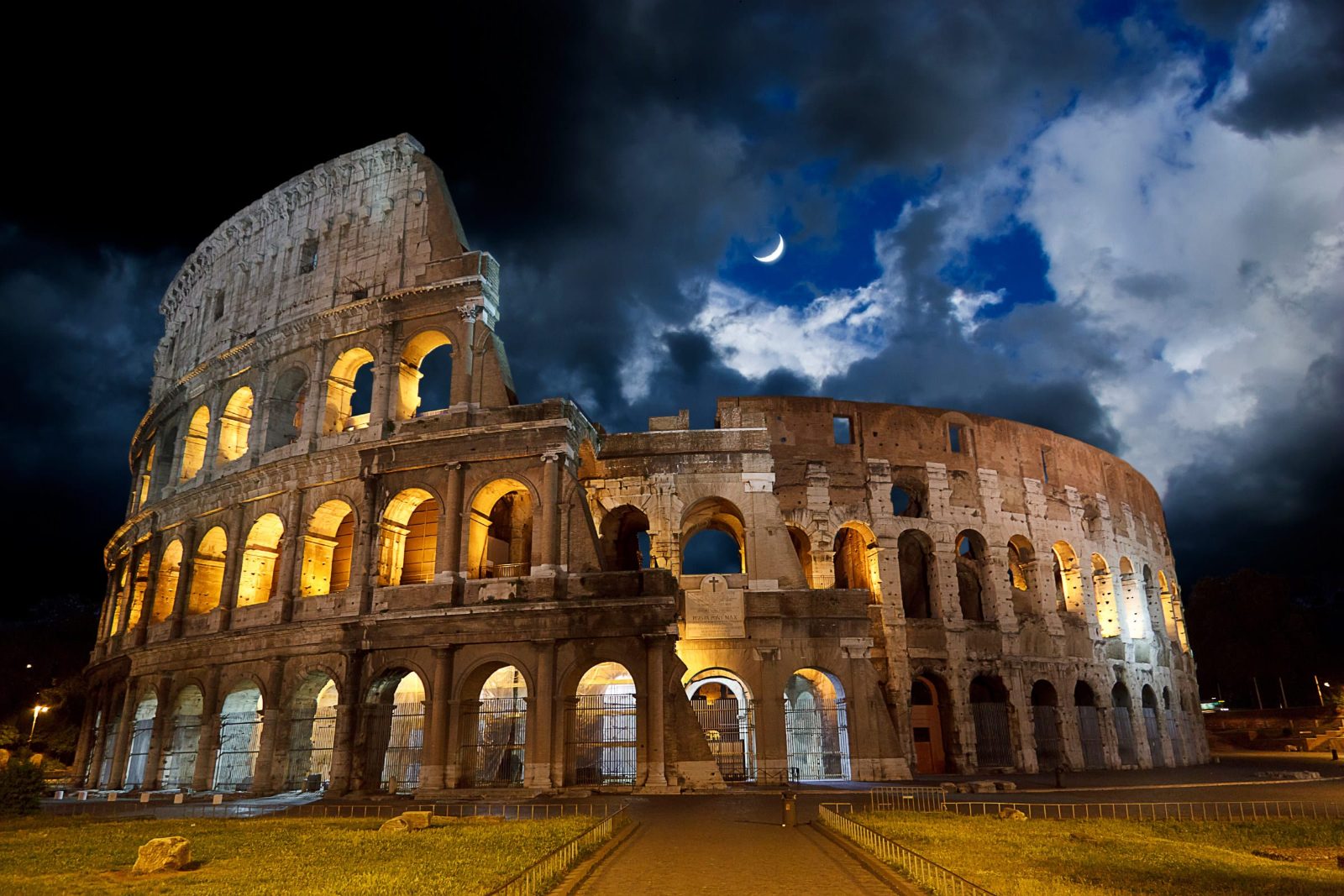
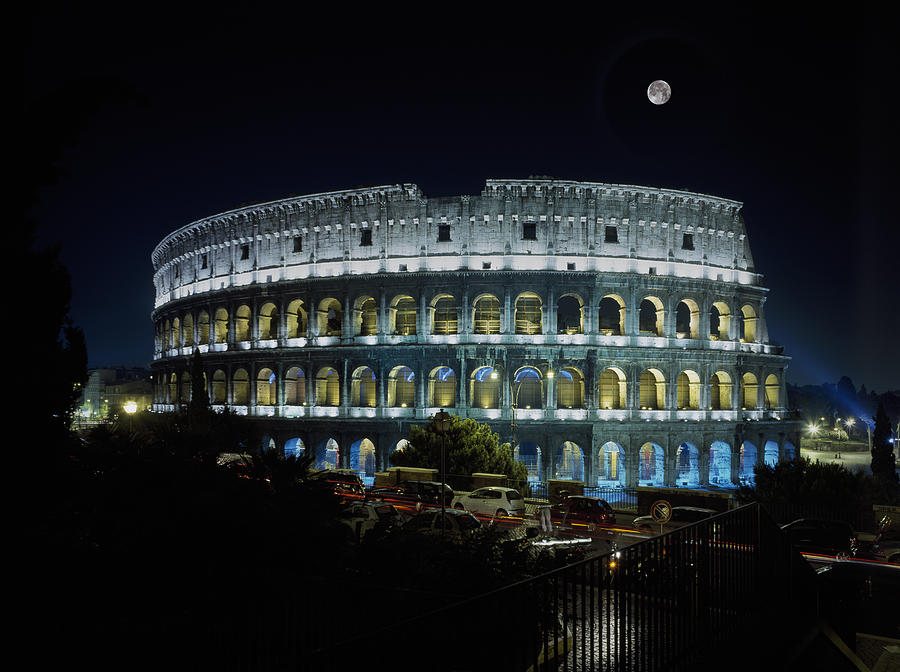
The Colosseum's night access, introduced in 2017 and expanded in 2023, permits entry to the arena floor via the Gladiators' Gate between April and October. Floodlights mounted on the outer travertine reveal the socket patterns where iron clamps once held the stone—20,000 tons quarried at Tivoli and hauled 30 kilometres by ox-cart. The amphitheatre's 80 entrances, each numbered with Roman numerals still visible above the arches, funneled 50,000 spectators in under fifteen minutes. After-dark tours often include the hypogeum, the two-level basement where cage lifts and trap doors operated by hemp rope raised animals and scenery. These subterranean corridors, excavated in the 19th century after centuries of silt accumulation, remain cooler than the arena by an average of eight degrees Celsius—a detail that registers more acutely in evening visits when the day's retained heat dissipates.
Rome night tour routes converge at the Spanish Steps, where the 135 travertine risers—funded by French diplomat Étienne Gueffier's 1721 bequest—empty of tour groups by 23:00. The Barcaccia fountain at the base, carved by Pietro Bernini in 1627 during a Tiber flood, operates on low pressure that produces its characteristic gentle overflow rather than jet streams. October evenings in 2026 bring temperatures between 14 and 18 degrees Celsius, ideal for the two to three-hour walking circuits that define most nocturnal itineraries.

"The Trevi Fountain transforms under halogen light—each travertine figure cast in sharp relief against patterns the original architects never anticipated."
A step-by-step walkthrough of Rome Night tickets — what you'll see, how long each stage takes, and the details that matter.
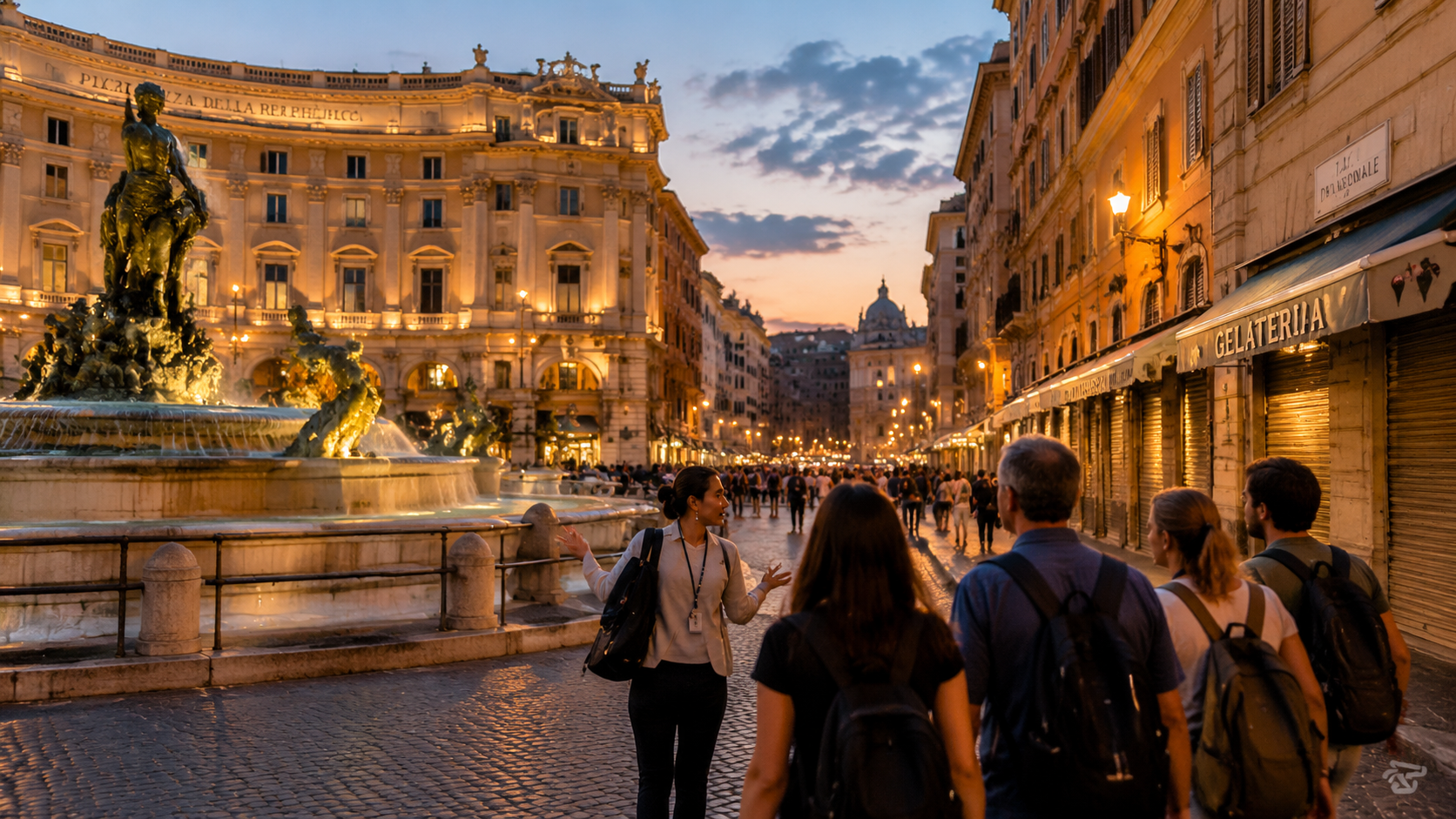
You begin at Piazza della Repubblica at 19:45, just as the Naiad Fountain's bronze figures catch the first floodlight. Your guide—a licensed archaeologist working evenings—leads you south through Via Nazionale, past shuttered gelaterias and residents returning from aperitivo. At 20:15 you reach the Trevi Fountain.
The crowd has thinned from the afternoon's 400-person crush to perhaps 80 visitors, mostly couples and a few photographers adjusting tripods. You toss your coin left-handed over your right shoulder—the ritual Salvi never codified but every guide now explains—and continue east.
The Pantheon's portico, reached by 20:40, stands nearly empty. You pass through the bronze doors—original, cast in 115 CE—and pause beneath the coffers. Your guide points to the drainage holes ringing the oculus; rain that falls through evaporates or drains before pooling. By 21:15 you are crossing Piazza Navona, where Bernini's Four Rivers fountain runs on reduced flow after 21:00 to conserve the Acqua Vergine supply. The final stop, at 21:45, is the illuminated Colosseum exterior. You circle half the perimeter, your guide tracing the arc of Vespasian's original 72 CE plan. No interior access tonight—that requires a separate evening ticket—but the outer arches, lit in warm amber, frame the moon rising over the Palatine Hill.
Public streets and monuments are accessible 00:00–23:59. You can enjoy a rome night tour at any hour.
While Rome's streets are historic, many areas are navigable; consult your rome night tour guide for accessible paths.
Small bags are permitted, but large luggage is generally prohibited on guided rome night tour walks.
Yes, personal photography is allowed. Capturing the illumination is a highlight of any rome night tour.
The best arrival window is 19:30–22:30 for optimal monument lighting.
Dress comfortably for walking, as there is no formal dress code for a casual rome night tour.
There are many street vendors, but avoid eating while walking during your rome night tour.
Use the city metro or taxis to reach the Rome meeting point for your rome night tour.
Yes, families are welcome. A rome night tour can be a great way to see the city landmarks without the day heat.
You can typically cancel your rome night tour tickets 24 hours in advance for a refund.
After your rome night tour, explore the Trevi Fountain or Pantheon nearby.