
English| EUR
Suggested for you
More currencies
Choose a language
Rome's historic center remains one of Europe's safer capitals after sunset, with heavy foot traffic around major landmarks and visible police presence in tourist zones. The question travelers ask most often concerns which neighborhoods to navigate confidently and which require extra caution once daylight fades.
Quick answer
Rome is generally safe at night in well-trafficked tourist areas like the Centro Storico, Trastevere, and zones surrounding the Colosseum and Spanish Steps, where street lighting, crowds, and Carabinieri patrols maintain security. Petty theft—pickpocketing and bag-snatching—accounts for most crimes targeting visitors, particularly near Termini station and on night buses. Violent crime against tourists remains statistically rare, though quieter residential streets and parks warrant heightened awareness after 23:00.
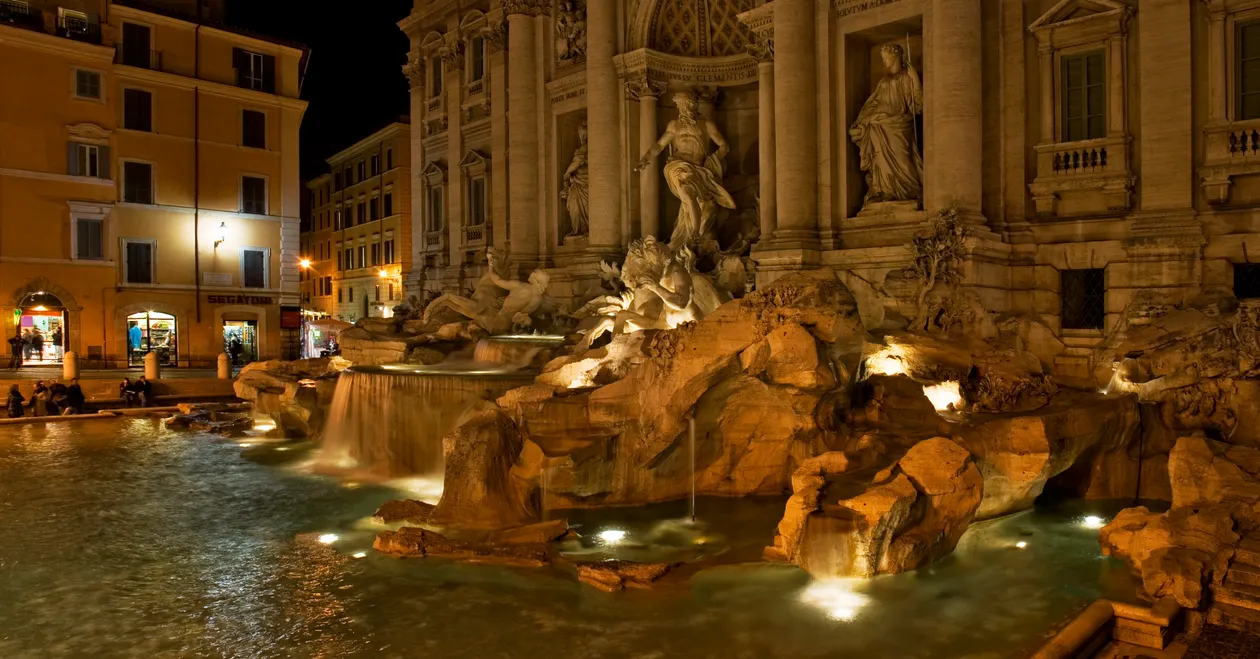
Rome's evening atmosphere differs sharply by district. The cobblestone corridors radiating from Piazza Navona stay animated until past midnight, with restaurant terraces and gelato queues providing natural surveillance that deters opportunistic crime. Police units position themselves visibly at the Trevi Fountain, Pantheon steps, and Via del Corso intersections—these lit, crowded zones register fewer incidents than the city's statistical average. Termini station and its surrounding blocks present the capital's highest concentration of petty crime after dark. Pickpocket crews work the platforms and night bus stops, targeting travelers distracted by luggage or phones. The 64 bus route, connecting Termini to Vatican City, sees frequent reports of theft during evening hours. Esquilino and San Lorenzo neighborhoods, while culturally vibrant, require situational awareness on dimly lit side streets where groups of loiterers occasionally create uncomfortable dynamics. Nighttime safety in Rome hinges less on avoiding entire districts than on maintaining basic urban precautions. Keep valuables in front pockets or cross-body bags with zippers facing your body. Walk purposefully, avoiding extended phone use while stationary. The metro closes around 23:30 on weeknights (01:30 Fridays and Saturdays), after which official white taxis or ride-hailing apps provide safer transport than unmarked cars soliciting fares. Solo travelers report feeling secure in the historical center but vulnerable near Termini and in parks like Villa Borghese after the gates close. Local safety patterns align with Rome's urban rhythm. Districts hosting evening dining—Trastevere, Monti, Campo de' Fiori—benefit from resident foot traffic that extends past tourist hours. Conversely, office-heavy zones near EUR or residential outskirts empty after 20:00, reducing passive security. Knowing which Roman streets retain activity after dark transforms an abstract safety question into navigable, district-specific knowledge that lets you move confidently through the capital's illuminated monuments and vibrant evening piazzas.
“Rome's evening safety hinges less on avoiding entire districts than on maintaining basic urban precautions and choosing well-lit, populated routes.”
The best arrival window is 20:00–23:00, which allows visitors to experience well-lit landmarks and a vibrant evening atmosphere while maintaining situational awareness. During these hours, public spaces remain active, providing a balance between security and the social energy of the city.
Mild temperatures, 15°C–22°C. These months offer comfortable conditions for walking through historical areas.
Warm evenings, 20°C–28°C. The extended daylight and warm air keep city squares busy late into the night.
Cooler, 14°C–21°C. The stable weather provides clear conditions for evening explorations.
Chilly, 5°C–13°C. Fewer tourists occupy the streets, requiring more vigilance in less populated zones.
Verdict: The best time for evening walks is the arrival window of 20:00–23:00 during the months of April, May, September, or October.
Visitors often misjudge Rome's after-dark landscape, making avoidable errors that compromise their safety. Understanding these pitfalls helps you navigate the city confidently during evening hours.
Walking through Termini Station surroundings late at night
Avoid the blocks immediately around Termini after 23:00—pickpockets and opportunistic theft increase sharply. Stick to well-lit main streets like Via Nazionale or take a taxi directly to your accommodation.
Displaying phones and cameras openly on public transport
Keep devices secured and out of sight on buses and Metro lines, especially the night routes. Pickpockets target distracted tourists holding valuables in crowded carriages.
Accepting help from strangers offering directions near monuments
Politely decline unsolicited assistance near tourist sites after dark—distraction techniques often involve one person engaging you while an accomplice steals belongings. Use your phone's map or ask uniformed personnel.
Wandering into poorly lit side streets alone
Stay on illuminated routes connecting major squares and landmarks. If you need to cut through quieter areas, walk with purpose and maintain awareness of your surroundings.
Leaving bags unattended at outdoor restaurant tables
Never place bags on empty chairs or under tables at evening dining spots in tourist zones. Keep valuables on your lap or between your feet with a strap looped around your leg.
Navigating Rome after dark is straightforward when you combine situational awareness with local habits.
Walking along well-lit, populated streets like Via del Corso or near Piazza Navona minimizes risk compared to empty side alleys. Choose routes where bars and restaurants remain active until late.
Use a crossbody bag with zippers and keep your hand on the fastening when walking through crowded areas. Pickpockets favor busy nightlife spots, so stay mindful of your surroundings rather than your phone.
Avoid wearing large cameras around your neck or dressing in a way that marks you immediately as a tourist. Blending in with the evening crowds helps you move through the city with less unwanted attention.
If using a taxi, use official white city cabs found at established stands or book via verified apps. Never accept rides from individuals offering transport services near nightlife districts.
Review your walking route before leaving your current location to avoid standing still on corners looking at a map. Confidence in your direction acts as a natural deterrent.
Rome is situated within the Metropolitan City of Rome, Italy, and remains accessible via a comprehensive network of public and private transport. For evening travel, authorized transit services are recommended over walking in isolated or unlit areas.
Line A or B to Termini Station
Night Bus (n-lines) to central hubs
Official white city taxis to designated landmarks
The best arrival window is 20:00–23:00 to experience well-lit landmarks. Use official taxi stands or verified transport apps rather than hailing unmarked vehicles.
As a public space, Rome remains accessible to visitors throughout the entire week. Please note that public accessibility does not imply specific security staffing during overnight hours.
Everything you need to know about is rome safe at night
Rome is generally considered safe for visitors during the evening hours, as the city remains lively with residents and travelers alike. Staying in well-lit, populated areas is the best way to enjoy the nocturnal charm of the Italian capital.
While most central zones are secure, visitors should exercise standard urban caution around Termini station and quieter, less illuminated alleyways late at night. Maintaining situational awareness ensures you can enjoy the evening ambiance without unnecessary worry.
Walking alone is common, especially in tourist hubs where street life continues well past midnight. As with any major European city, stick to main thoroughfares and avoid deserted streets to remain secure.
The transition into the evening reveals a different side of the city's cobblestone streets and floodlit architecture. Many people find that experiencing Roman landmarks during the quieter hours is a rewarding way to explore.
When participating in a Rome evening tour, always remain with your group and keep personal belongings secure. Following local guides provides an added layer of comfort and local knowledge during your exploration.
Rome is a family-friendly destination, and many restaurants and public spaces cater to families late into the evening. Keep a close watch on children in crowded areas and rely on public transport or licensed taxis for travel.
Rome Night Golf Cart Tours
Read more Tickets & toursRome Catacombs Night Tours
Read more Tickets & toursRome Night Photography Tours
Read more Tickets & toursColosseum Night Tours
Read more Tickets & toursRome Night Bus Tours
Read more Tickets & toursPrivate Rome Night Tours
Read more